Squinting to avoid the sun’s glare is normal. Squinting at a big menu to figure out the prices can be too… until it isn’t. Especially if you spend hours looking at screens, you may be more likely to experience changes in your vision.
Many people put off eye exams for years, assuming they only need one when something feels wrong. But that assumption can be risky. Eye problems don’t always cause noticeable symptoms in their early stages, which is why regular
eye exams are important for protecting your vision.
At Allmed LA, our eye exams look beyond your prescription. A comprehensive eye exam can also help identify early signs of conditions that may affect your vision and eye health for years to come. We’ve compiled this guide to walk you through exactly what happens during a comprehensive eye exam, step by step.
Good Vision Doesn’t Tell The Whole Story
What Is a Comprehensive Eye Exam?
You probably know the basic eye chart test, formally known as the Snellen chart test. But a
comprehensive eye exam covers more than just you reading letters from a distance. It’s a full check-up of your eye health, vision clarity, and overall visual system, all taken in just one visit.
Comprehensive means you get pressure checks, structural exams, and our experts take a closer look at how your eyes work together. This is far from what the regular quick vision screening looks like.
Why Are Comprehensive Eye Exams Important?
Something that might catch you by surprise is how many eye diseases show no early symptoms at all. This fact alone is exactly why the comprehensive eye exam importance goes beyond blurry vision.
Conditions like glaucoma can quietly damage your eyesight for years before you notice something wrong. This can mean that by the time symptoms appear, irreversible damage may already have happened.
The CDC notes that regular eye exams
help catch problems early, often before vision loss even begins. This is especially true for adults juggling busy schedules. Skipping a checkup for "just one more year" can quietly add up over time. A single visit can protect decades of healthy vision down the road.
What Happens During a Comprehensive Eye Exam?
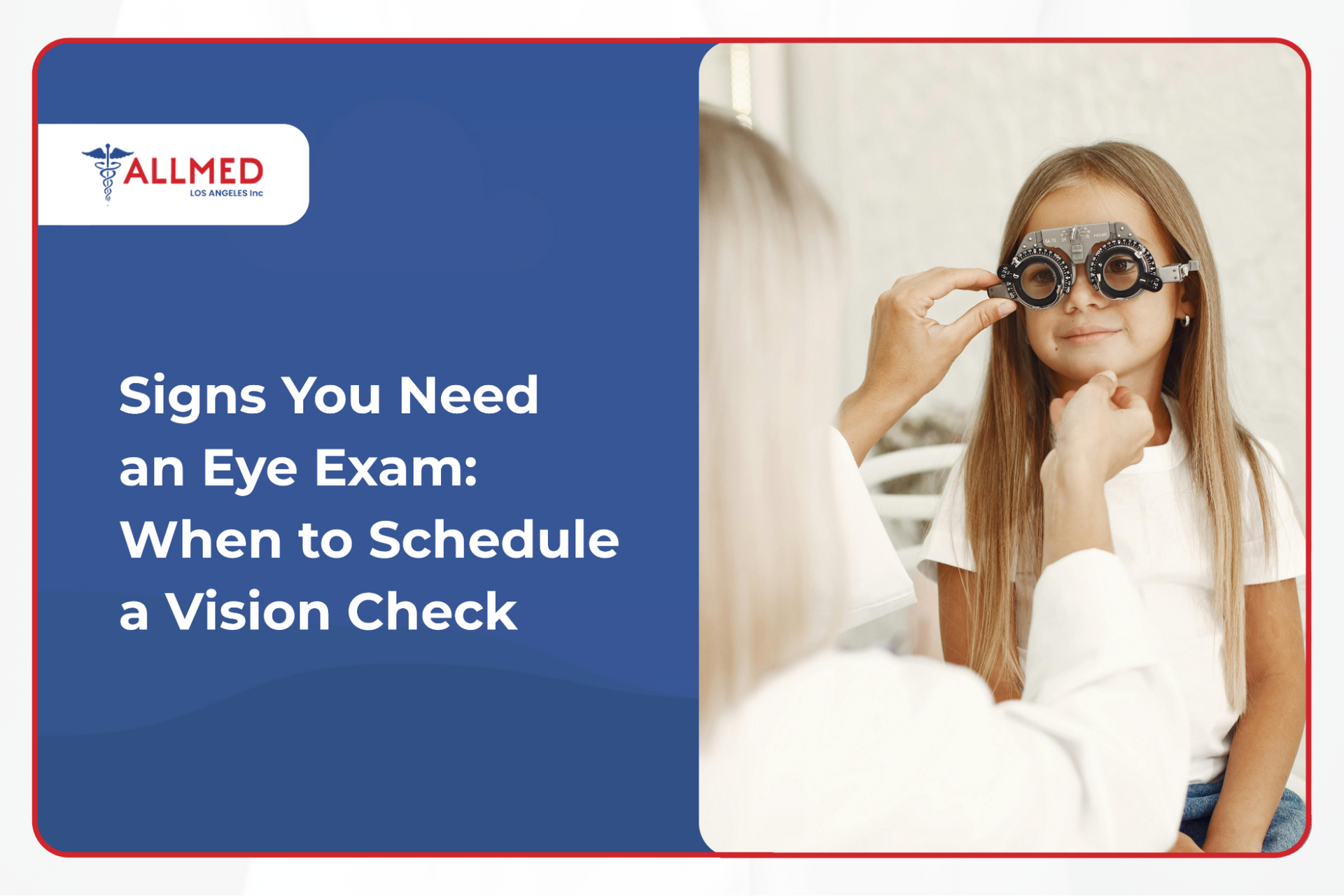
Wondering what to expect during a comprehensive eye exam? The visit usually takes about 45 minutes to an hour, start to finish.
Your visit typically includes a few key stages:
- A review of your health history and any vision complaints.
- Vision testing to check clarity at various distances.
- Eye pressure and structure checks using specialized equipment.
- Time to ask your provider questions about your results.
Nothing about the process is painful. Some steps, like the puff of air test, might feel a little startling, but they pass quickly.
Many patients pair their visit with a broader checkup. You can also explore
primary care services while you're at it.
Your provider will also ask about screen time, driving habits, and any family history of eye disease. These details help tailor the exam to your actual needs.
By the end of the visit, you'll walk away with clear answers. No guessing about whether your vision or your eye health needs attention.
Common Tests Included in a Comprehensive Eye Exam
Curious about
common eye exam tests you might encounter? Each one checks a different part of your visual system.
Not every visit includes every test. Your provider will tailor the exam based on your age, symptoms, and health history.
The refraction test is often the most familiar part. It's the "which is clearer, one or two" step that determines your glasses or contacts prescription.
Tonometry, meanwhile, sounds intimidating but takes only seconds. It's one of the most important common eye exam tests for catching glaucoma early.
Eye Conditions a Comprehensive Eye Exam Can Detect
The comprehensive eye exam benefits go well beyond a new glasses prescription. Many serious conditions show up first in the eyes.
Conditions commonly caught during exams include:
- Glaucoma, cataracts, and macular degeneration.
- Diabetic retinopathy, linked to blood sugar levels.
- Signs of high blood pressure or high cholesterol.
Myth-busting moment: some people believe eye exams are only for those who already struggle to see. In reality, many conditions develop silently, with no warning signs at all.
Emergency response guidance: sudden vision loss, flashing lights, or a curtain-like shadow in your sight need urgent care. Don't wait for your next scheduled visit if this happens.
These symptoms can signal a detached retina or other urgent condition. Call your provider immediately, or head to the nearest emergency room if symptoms are severe.
Acting quickly can make the difference between full recovery and lasting vision loss. When in doubt, always treat sudden changes as urgent.
How Often Should You Get a Comprehensive Eye Exam?
Most healthy adults benefit from an exam every one to two years. But your ideal schedule
depends on age, health, and risk factors.
Here's a general guide:
- Children: before starting school, then every one to two years.
- Adults 18-60: every two years, or yearly with risk factors.
- Adults over 60: every year, since risk increases with age.
Diabetes, high blood pressure, or a family history of eye disease may mean more frequent visits. Your provider can help set the right schedule for you.
Contact lens wearers also benefit from yearly checkups. Lenses can mask subtle changes in prescription or comfort that are easy to overlook otherwise.
If it's been longer than two years since your last visit, now is a good time to
schedule one.
How to Prepare for Your Eye Exam
A little prep makes your visit smoother and your results more accurate. It doesn't take much effort at all.
Before your appointment, try to:
- Bring your current glasses or contacts, plus your prescription.
- List any medications you take regularly.
- Arrange a ride if you expect your pupils to be dilated.
Dilation can blur vision and increase light sensitivity for a few hours. Sunglasses in the car ride home make a big difference.
Have you been searching for a “comprehensive eye exam near me”? Our friendly team can help you
find a convenient time that fits your schedule.
If you wear contacts, bringing your case and solution can help too. Some tests require removing lenses partway through the visit.
A short list of questions ahead of time also helps. Jot down anything you've noticed, even small changes, so nothing gets forgotten.
A Clearer Future Starts With Your Eye Health
Your eyes do more work than almost any other part of your body, yet they're often the last thing on your checkup list. A comprehensive eye exam changes that.
Allmed LA offers a trusted comprehensive eye exam Los Angeles patients rely on, backed by a team that treats every visit personally. We look beyond the eye chart to protect your long-term vision.
Your vision deserves more than a quick glance. Let's give it the attention it's been missing.
Your Vision Looks Fine. But Is It?
Frequently Asked Questions
What is included in a comprehensive eye exam?
When you come in for a comprehensive eye exam, we check more than just your vision. We assess how well you see, check your eye pressure, examine the structures inside your eyes, and look for signs of potential eye problems.
How long does a comprehensive eye exam take?
You can expect your appointment to take about 45 minutes to an hour. Your visit may take a little longer if we recommend additional tests based on your vision or eye health.
How often should you get a comprehensive eye exam?
If you’re a healthy adult, we generally recommend an eye exam every one to two years. Depending on your age, health, family history, or other risk factors, we may recommend coming in more often.
What eye conditions can a comprehensive eye exam detect?
During your exam, we look for signs of common eye conditions such as glaucoma, cataracts, and macular degeneration. We can also identify changes in your eyes that may be linked to conditions such as diabetes or high blood pressure.
What is the difference between a vision screening and a comprehensive eye exam?
A vision screening mainly checks how clearly you can see. A comprehensive eye exam gives us a much closer look at your vision and overall eye health, helping us identify concerns that a basic screening may miss.
Do you need a comprehensive eye exam if you have no vision problems?
Yes. You may have an eye condition without noticing any changes in your vision. Regular exams allow us to check your eye health and catch potential concerns early, even when everything feels normal.