Are you scheduling your first primary care visit but feeling nervous about the unknown? You're not alone. Many people feel anxious about their first appointment. Understanding what to expect at a primary care visit eases anxiety. It helps you make the most of your appointment time.
Whether you're new to Los Angeles, switching doctors, or returning after years, this guide helps. We cover everything from what to bring to a doctor's appointment to what happens during your visit. We explain preventive care screenings and important questions to ask your doctor. By the end, you'll feel completely prepared and confident.
At Allmed LA, we understand your first appointment matters deeply. Our
primary care doctors in Los Angeles are dedicated to making your visit comfortable by providing personalized care focused on your health goals.
Your Future Healthier Self Will Thank You
Why Your First Primary Care Visit Matters
Your first primary care visit is more than just a routine checkup. It's the foundation of your long-term healthcare relationship. Your primary care doctor becomes your healthcare partner, someone who understands your medical history, monitors your health trends, and coordinates your care.
During
preventive health checkups, your primary care doctor in Los Angeles will establish a baseline understanding of your health status. This includes documenting your medical history, current medications, lifestyle habits, and any existing health concerns. They'll also discuss your health goals and create a plan for ongoing care. Think of it as an investment in your future wellbeing.
This appointment is also an opportunity to build trust with your healthcare provider. You'll discuss sensitive health topics, so finding the right doctor who listens and respects your concerns is crucial.
How to Prepare: What to Bring to a Doctor's Appointment
Preparation is key to a productive visit. Knowing what to bring to a doctor's appointment ensures you don't waste time hunting for information.
Bring these essentials:
- Insurance card and photo ID
- A list of current medications (including dosages and frequency)
- Previous medical records from other providers
- A list of allergies, including medication allergies
- Blood pressure readings, if you monitor at home
- Recent lab results from other healthcare facilities
- Notes about symptoms or health concerns you want to discuss
Also bring:
- A notebook to write down important information and instructions
- A list of questions you want to ask
- Your vaccination records, if available
- Details about your family medical history
Arriving 10-15 minutes early gives you time to complete intake forms without feeling rushed. These forms ask about your health history, medications, lifestyle, and any current symptoms. Take your time filling them out accurately, as this information guides your doctor's assessment.
What Happens During Your Primary Care Visit
Checking In: Vitals and Initial Assessment
The moment you check in, the medical team begins gathering information. A nurse or medical assistant will take your vital and
heart health signs: blood pressure, heart rate, temperature, and respiratory rate. These measurements provide important baseline data about your current health status.
You'll also discuss your reason for the visit. Even if it's a general checkup, mention any symptoms, concerns, or health goals you have. This conversation helps the healthcare team prioritize what to focus on during your appointment.
The initial assessment also includes reviewing your intake forms and asking clarifying questions about your medical history, current medications, and any lifestyle factors affecting your health.
The Physical Examination: What Your Doctor Will Check
Your primary care doctor will conduct a thorough physical examination. Here's what typically happens:
✔️ First, they will use a stethoscope to listen to your heart and lungs, checking for any abnormal sounds.
✔️ Next, they will palpate your abdomen to feel for any tenderness or unusual findings.
✔️ Your reflexes will also be tested with a small hammer.
✔️ Eye and ear exams are standard, as is checking your lymph nodes and thyroid.
If you're a new patient, expect a slightly longer appointment. Your doctor may spend extra time discussing your health, reviewing your history, and building that important initial rapport.
The doctor will also assess your general appearance, skin condition, and mobility. Everything they observe contributes to their overall understanding of your health.
Preventive Screenings and Lab Orders
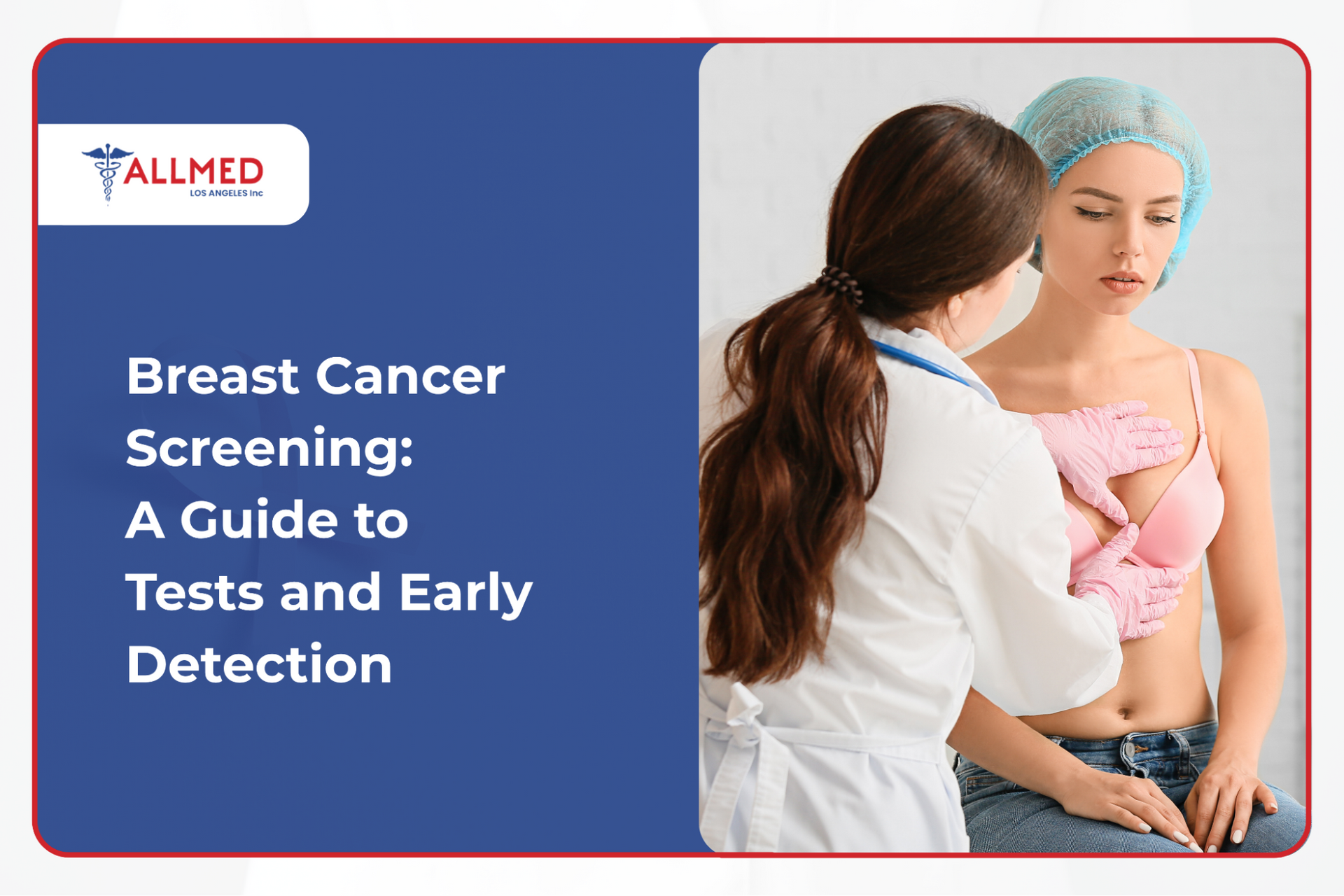
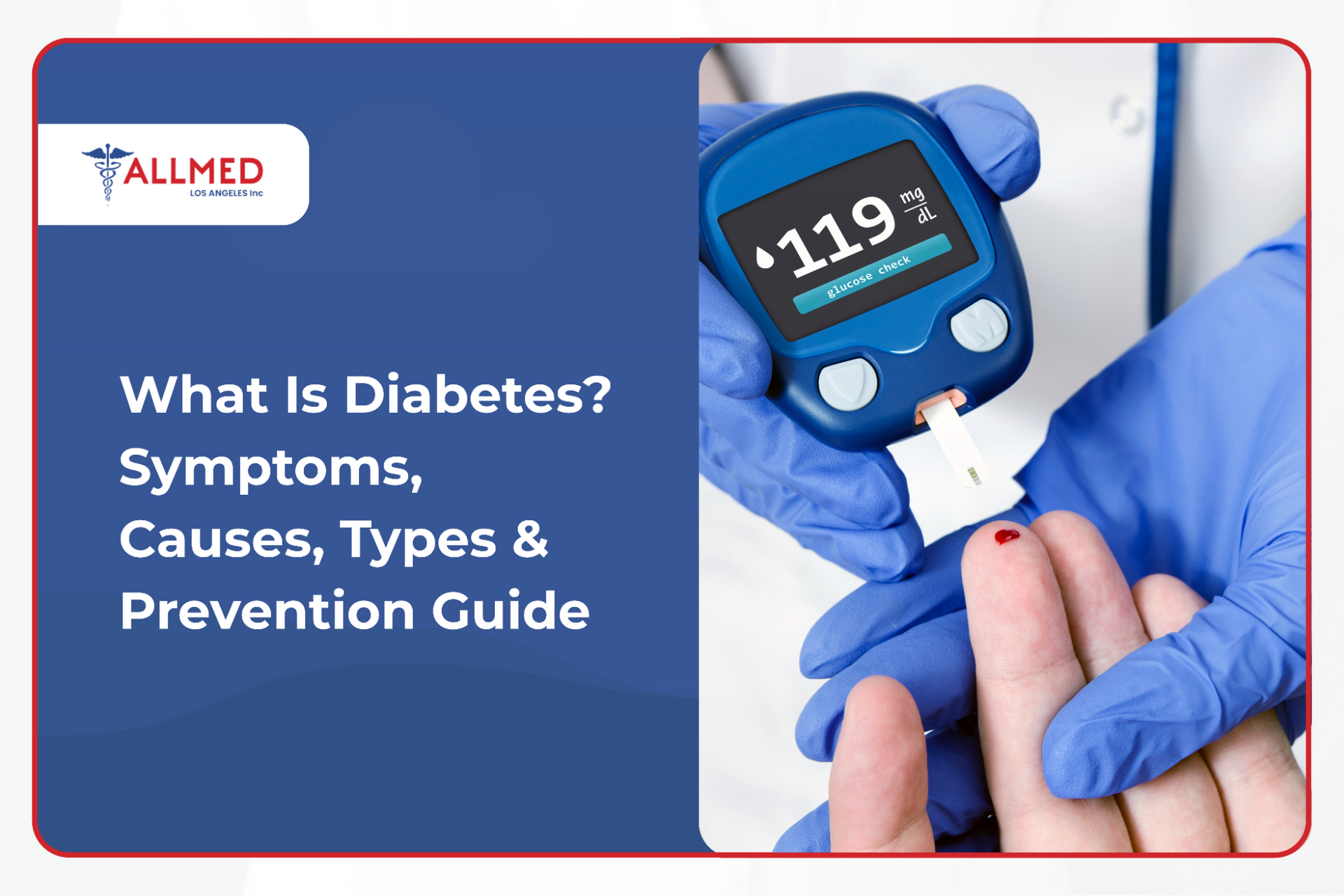
Preventive care screenings are a cornerstone of primary care. Depending on your age, gender, and health history, your doctor may recommend a lot of screenings. These might include cholesterol panels, blood glucose tests, cancer screenings, or bone density scans.
Your doctor will explain which preventive care screenings you need and why. They may order lab work to establish baseline values. They may also do so to investigate specific concerns you've mentioned. You may also receive
preventive cardiology services, including cardiovascular risk assessments and heart health counseling.
Many screening recommendations follow evidence-based guidelines. For example, women over 40 may need mammograms. Meanwhile men over 50 should discuss colorectal cancer screening. These proactive measures catch potential health issues early when they're most treatable.
Questions to Ask Your Primary Care Doctor at Your First Appointment
Don't leave without asking important questions to ask your primary care doctor. Your appointment is a two-way conversation, not just your doctor examining you.
Consider asking:
- What's my current health status?
- Are there areas I should focus on?
- Based on my health history, what preventive screenings do I need and on what schedule?
- Are there lifestyle changes that would benefit my health?
- How do I schedule follow-up appointments?
- What's your communication policy for non-urgent questions?
- What should I do if I need urgent care between appointments?
- Are there any medications I should stop or start?
- Do you have resources about managing my specific health conditions?
- How involved is your office in coordinating care with specialists?
These questions to ask a primary care doctor ensure you understand your health status and have clear expectations about your ongoing care.
Ready to Book Your First Visit at Allmed LA?
Scheduling your first primary care visit is one of the best investments in your health. Whether you're looking for a
primary care doctor in Los Angeles or simply want to establish a healthcare home, the process becomes much easier when you know what to expect.
At Allmed LA, our caring physicians understand that your first visit matters. We're committed to providing comprehensive, compassionate care that addresses your individual health needs. From preventive care screenings to ongoing health management, we're here to support your wellness journey.
Let’s Start Your Health Journey Now
Frequently Asked Questions
How long does a first primary care visit take?
Most first appointments last 45 minutes to an hour, though times vary depending on your health complexity and the doctor's schedule.
Will my insurance cover my first visit?
Most insurance plans cover primary care visits. Contact your insurance provider or call our office to verify your coverage before your appointment.
Should I fast before my first primary care visit?
Only if your doctor orders fasting labs. Otherwise, eat normally. If lab work is planned, call ahead to ask about fasting requirements.
What if I don't have a primary care doctor yet?
That's exactly what we help with! Visit Allmed LA's provider directory to find a primary care doctor in Los Angeles that's right for you.
Can I request a specific doctor?
Absolutely. When scheduling, request your preferred provider. Availability varies, but we'll do our best to accommodate your preference.
What should I do after my first visit?
You might feel overwhelmed, but that’s understandable. What’s important to prioritize is follow any recommendations your doctor provided. Schedule follow-up appointments as needed, take prescribed medications as directed, and don't hesitate to contact your doctor with questions.