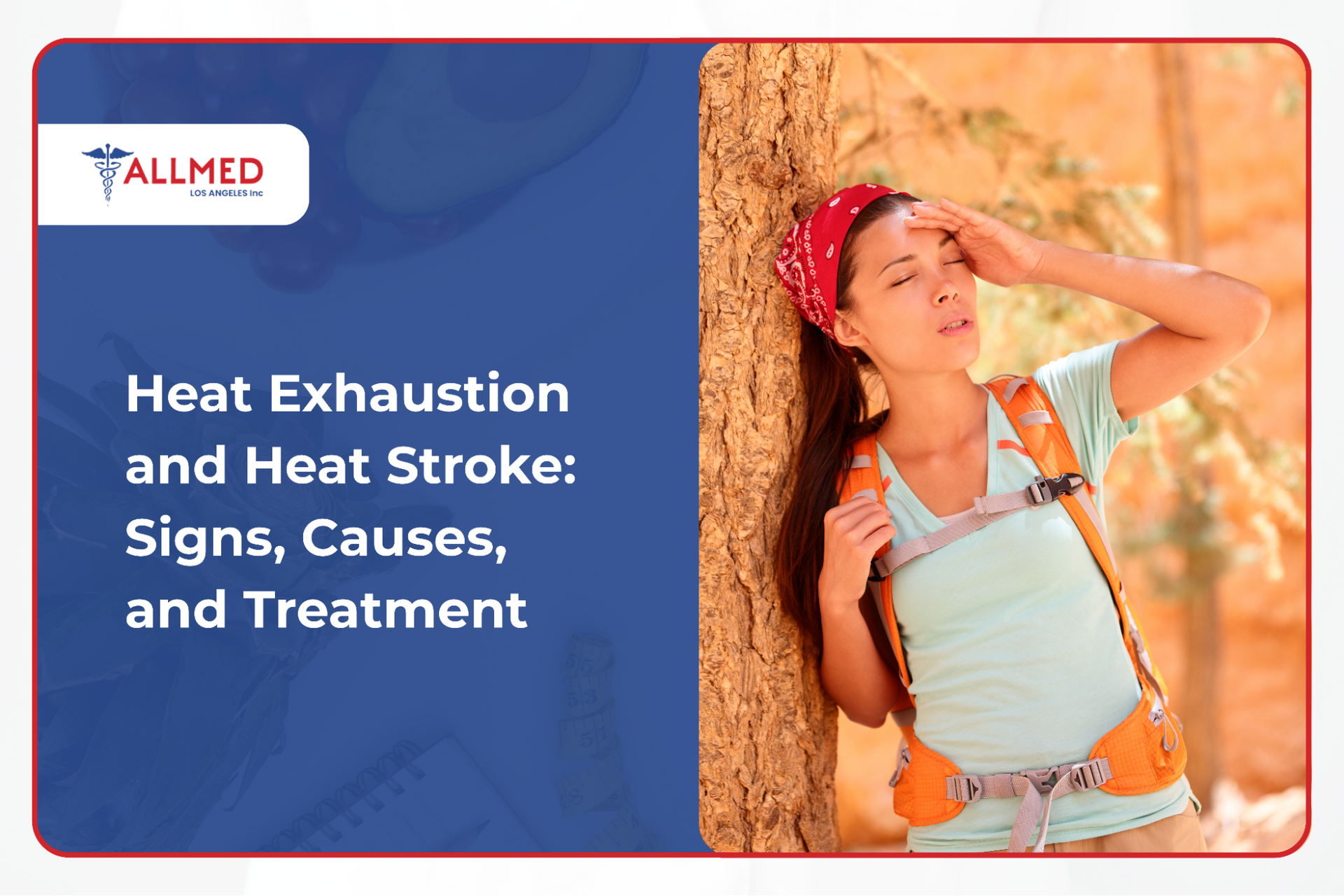
Summer in LA is no joke. The sun beats down, the pavement radiates heat, and your body works overtime to keep you cool. But sometimes, that internal cooling system fails. That's when heat exhaustion and heat stroke sneak in.
These two conditions sound similar, but they hit your body very differently. One is your body's warning sign. The other is a full-blown emergency. Knowing the difference could save your life or someone else's.
That's exactly why our team at Allmed LA put this guide together. We want Angelenos to enjoy the sunshine safely, without ending up in an ER. Let's break down everything you need to know about heat exhaustion and heat stroke.
Expert Heat Preparedness Begins Here
What Are Heat Exhaustion and Heat Stroke?
Both conditions happen when your body overheats. They sit on the same spectrum, but they're not equally dangerous. Think of heat exhaustion as the yellow light, and heat stroke as the red one.
Your body is built to handle heat, up to a point. When that point gets crossed, things start to break down fast. Understanding how your internal thermostat works is the first step to staying safe.
How the Body Regulates Temperature
Your body has a natural cooling system, and sweating is its MVP. When you sweat, that moisture evaporates and pulls heat away from your skin. Blood vessels near your skin also widen to release heat faster.
This process works great in normal conditions. But high humidity, intense heat, or dehydration can throw a wrench into the system. Once your body can't cool itself fast enough, your core temperature starts climbing.
What Is Heat Exhaustion?
So what is heat exhaustion? It's your body's response to losing too much water and salt, usually through heavy sweating. It often happens after intense physical activity in hot weather.
Think of it as your body's distress signal. You're overheating, but you haven't crossed into dangerous territory yet. Catch it early, and you can usually recover with rest and fluids.
What Is Heat Stroke?
Now let's talk about what heat stroke is, because this one is serious. Heat stroke happens when your core body temperature climbs above 104°F. At this point, your body's cooling system has completely shut down.
This is a true medical emergency. Heat stroke can damage your brain, heart, kidneys, and muscles within minutes. Without fast treatment, it can be fatal.
Causes of Heat Exhaustion and Heat Stroke
So what causes heat stroke and heat exhaustion? Usually, it's a combination of high temperatures, humidity, and not drinking enough water. Strenuous exercise in the heat is a major trigger, too.
Certain factors make you more vulnerable. Wearing heavy clothing, being overweight, or having a chronic illness all raise your risk. Alcohol and certain medications can also mess with your body's ability to regulate heat.
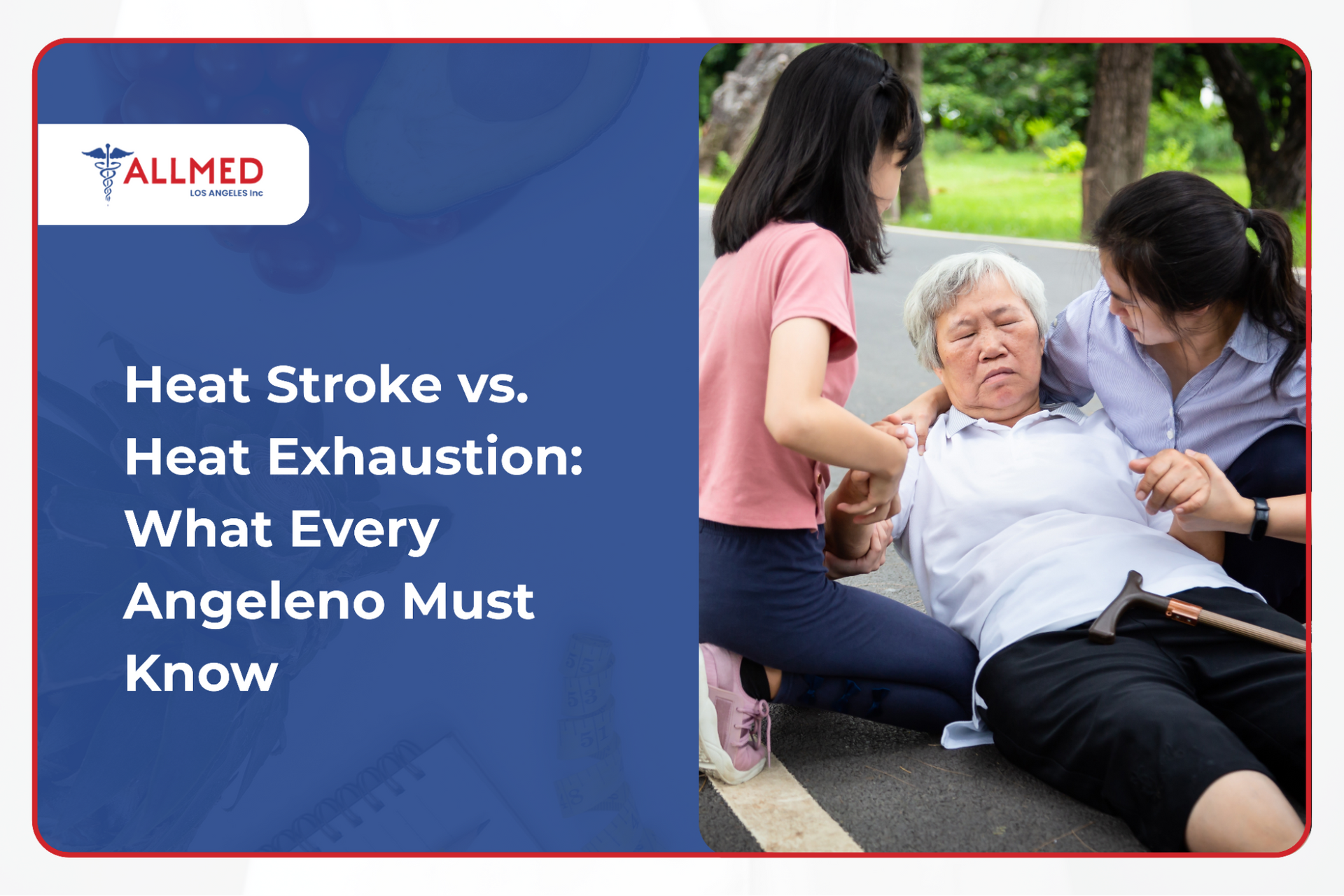
Older adults, young children, and outdoor workers face higher risks overall. People exercising outside during peak afternoon heat are especially vulnerable. Even sitting in a parked car can cause heat stroke within minutes.
Symptoms of Heat Exhaustion
Wondering what are heat exhaustion symptoms? Look out for heavy sweating, cold or clammy skin, and muscle cramps. You might also feel dizzy, nauseous, or unusually tired.
Headaches and weakness are common too. Some people notice a fast but weak pulse, almost like their heart is racing without much power behind it. Fainting can happen if the condition isn't addressed quickly.
The good news is heat exhaustion symptoms are usually a warning, not a crisis. Your body is telling you to stop, cool down, and rehydrate immediately.
Listen to it before things escalate further.
Symptoms of Heat Stroke
If you're asking what are heatstroke symptoms, here's the critical difference: confusion. Heat stroke often causes slurred speech, agitation, or even hallucinations. The person may seem disoriented or "not themselves."
Unlike heat exhaustion, the skin may feel hot and dry, not sweaty. A very high body temperature, often above 104°F, is the hallmark sign. Seizures and loss of consciousness can also occur.
This is not something to wait out at home. Heatstroke symptoms require immediate emergency medical attention. Every minute without treatment increases the risk of permanent organ damage.
Treatment for Heat Exhaustion
Good news:
treatment for heat exhaustion is fairly simple if caught early. Move to a cool, shaded area immediately and stop all physical activity. Remove any excess clothing to help your body cool down.
Sip cool water or a sports drink slowly, but don't gulp it down. Apply cool, damp cloths to your skin, especially your neck, wrists, and forehead. Resting in front of a fan also helps speed up recovery.
Most people feel better within 30 minutes using these steps. If symptoms don't improve, or if vomiting starts, it's time to seek professional care. A
primary care visit can help rule out dehydration complications
Treatment for Heat Stroke
Treatment for heat strokes is a different story entirely. This is an emergency. Call 911 immediately if you suspect heat stroke in yourself or someone else. While waiting, move the person to a cooler location right away.
Use any method available to lower body temperature fast. Ice packs, cool water, or even a cold bath can help bring the temperature down. Do not give the person fluids to drink if they're confused or unconscious.
Time is everything with heat stroke. The faster the body cools, the better the chances of avoiding permanent damage. This condition always requires hospital-level care, no exceptions.
Prevention Tips
Prevention really is your best defense against both conditions. Here's what actually works:
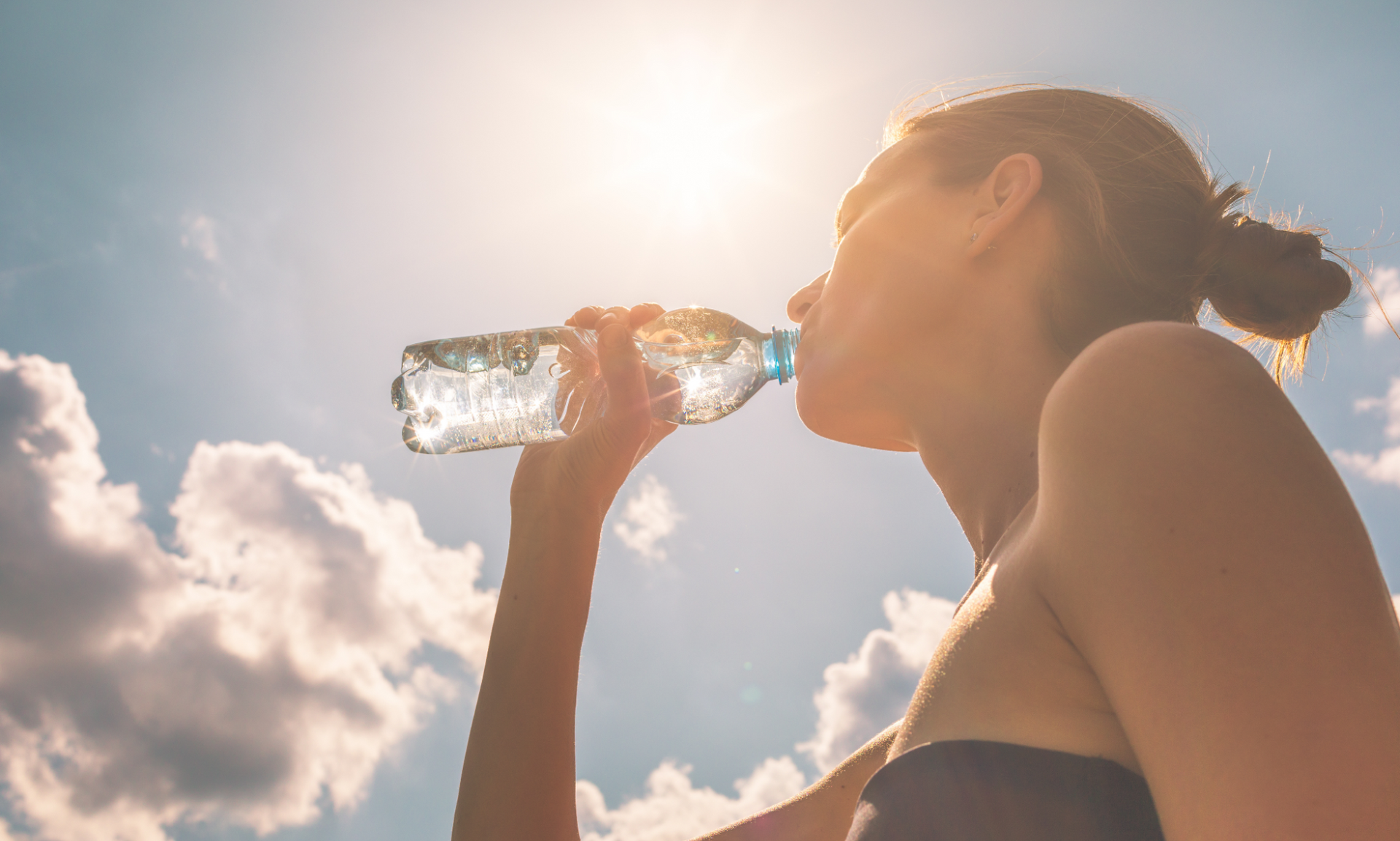
- Hydrate constantly, don't wait until you feel thirsty to drink water
- Avoid peak heat hours, especially outdoor activity between 11 a.m. and 4 p.m.
- Wear light, breathable clothing in light colors that reflect heat
- Take frequent breaks in shaded or air-conditioned spaces
- Never leave anyone in a parked car, even for a few minutes
Building these habits into your daily routine during summer makes a real difference. Small choices, like carrying a water bottle everywhere, add up fast. Your future self will thank you.
When to Seek Medical Care
Not every hot, tired feeling means an ER visit. But certain signs should never be ignored, especially confusion, fainting, or a body temperature above 103°F.
If symptoms don't improve after rest and fluids, don't wait it out. Booking a primary care visit lets a doctor check for underlying issues you might miss at home. This is especially important for older adults or anyone with chronic health conditions.
For more on staying safe this season, check out our guide on Tips to Stay Healthy in LA.
Stay Heat-Safe with Experts at Allmed LA
Heat exhaustion and heat stroke aren't conditions to mess around with, especially in LA's relentless summer sun. The good news is both are largely preventable with the right knowledge and habits. Now you know exactly what to watch for and what to do.
If you've experienced heat-related symptoms recently, or just want a check-up before summer activities ramp up, Allmed LA is here for you. Our experienced team offers same-day appointments and personalized care for every patient. We're proud to be a trusted primary care clinic for families across Los Angeles.
Don't Let the Heat Gain Ground Today
Frequently Asked Questions
What is the difference between heat exhaustion and heat stroke?
Heat exhaustion is your body's warning sign of overheating and dehydration. Heat stroke is a life-threatening emergency where your body's cooling system has completely failed.
What are the common symptoms of heat exhaustion and heat stroke?
Heat exhaustion brings heavy sweating, dizziness, and nausea. Heat stroke brings confusion, hot dry skin, and a dangerously high body temperature.
Who is most at risk of developing heat-related illnesses?
Older adults, young children, outdoor workers, and people with chronic illnesses face the highest risk. Athletes and anyone exercising in extreme heat are also vulnerable.
When should you seek emergency medical care for heat stroke?
Call 911 immediately if you notice confusion, seizures, fainting, or a body temperature above 104°F. Heat stroke always requires emergency treatment, so never wait it out.
How can you prevent heat exhaustion and heat stroke during hot weather?
Stay hydrated, avoid peak heat hours, wear light clothing, and take frequent breaks in cool spaces. Never leave anyone unattended in a parked car.