Los Angeles summers are no joke. The heat here can make you uncomfortable, even when you’re just doing your daily routine. Worse, it can actually put you in the hospital. Every year, thousands of Angelenos end up in urgent care because they waited too long to act.
The main problem is that most people cannot tell the difference between heat exhaustion vs. heat stroke. They both sound serious, and honestly, they both are. But one is a medical emergency, and one is a warning sign you still have time to respond to.
That is exactly why AllMed LA put this guide together. Whether you are heading to the beach, working a construction shift, or just taking your dog for a walk, this information is for you. Read it, bookmark it, and share it with someone you care about.
Spot the Signs before Summer Strikes Hard
What Is Heat Stroke?
Heat stroke is
one of the most dangerous heat-related conditions a person can experience. It occurs when your core body temperature rises above 104°F, and your body can no longer regulate itself. This signals a system-wide failure.
At that point, your brain, kidneys, heart, and muscles are all at risk of serious damage. The terrifying part is that heat stroke can come on quickly, sometimes within minutes of being in extreme heat. Unlike other illnesses, it does not always build up gradually with obvious warning signs.
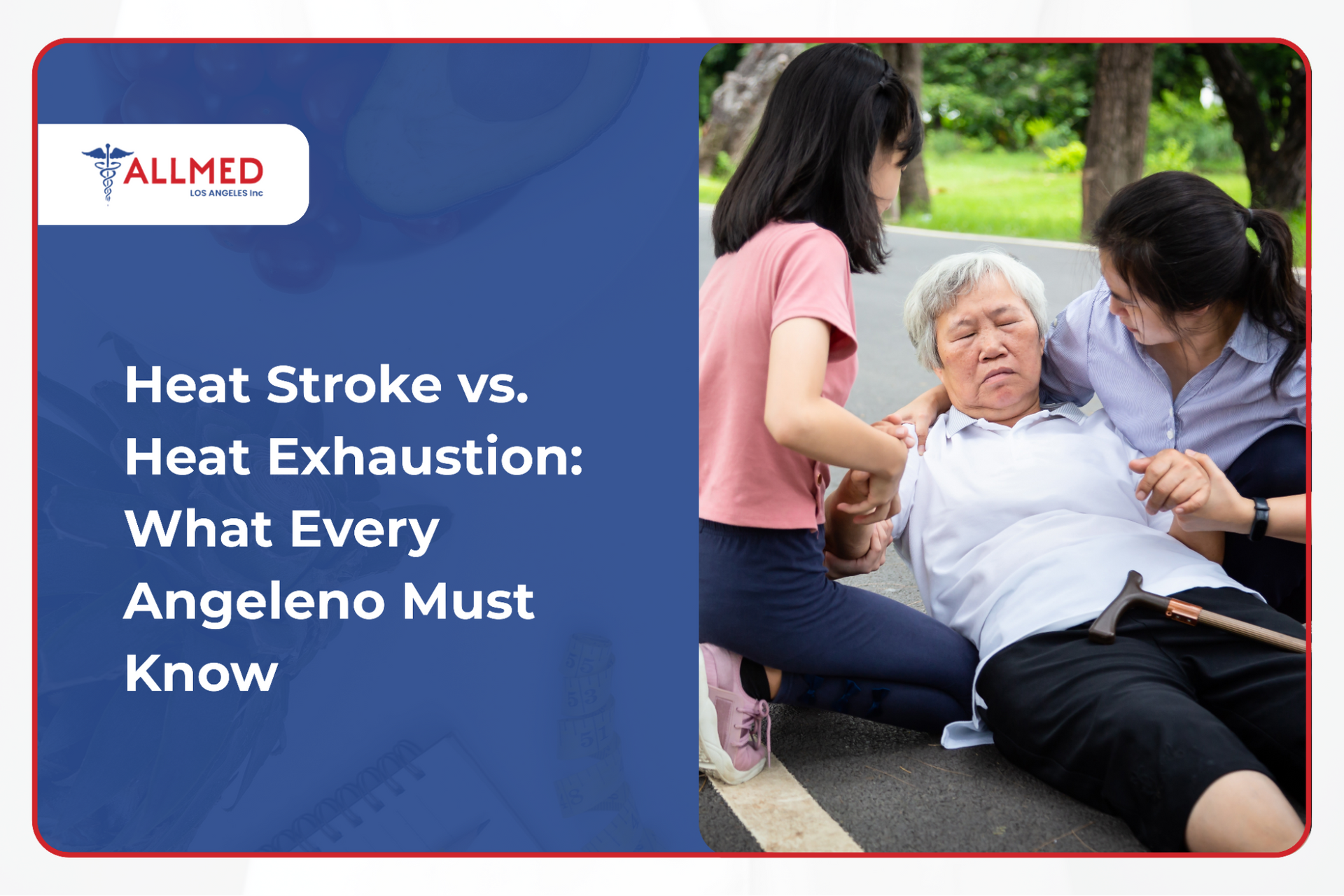
What makes heat stroke particularly dangerous is that the person experiencing it often does not realize how bad things are. Confusion, disorientation, and even unconsciousness are common symptoms. If you see someone in this state on a hot day, do not wait; call 911 immediately.
What Is Heat Exhaustion?
Heat exhaustion is your body's urgent warning that it is struggling to keep up with the heat. It typically develops after prolonged exposure to high temperatures combined with inadequate fluid intake. Think of it as your internal alarm going off before the real crisis begins.
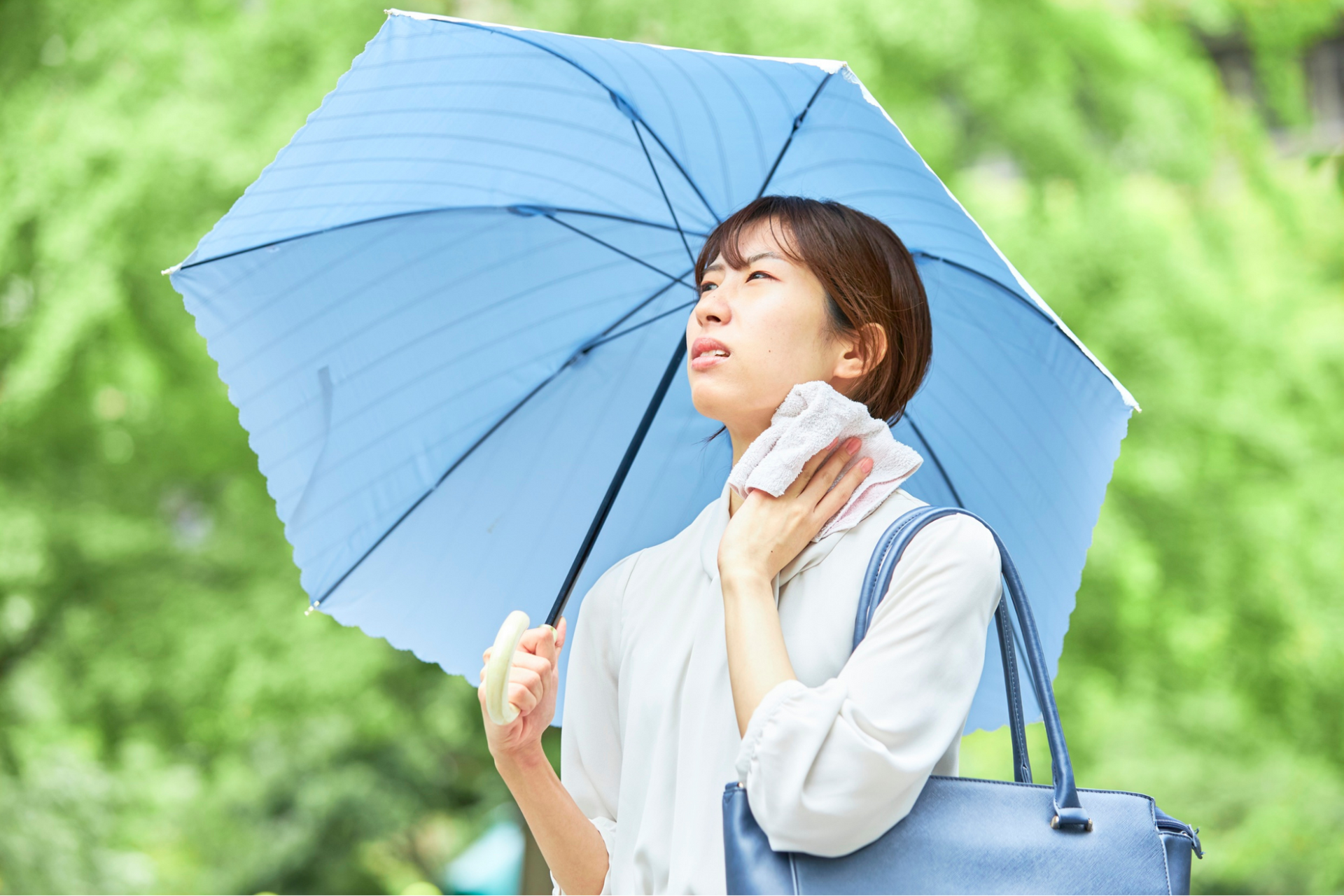
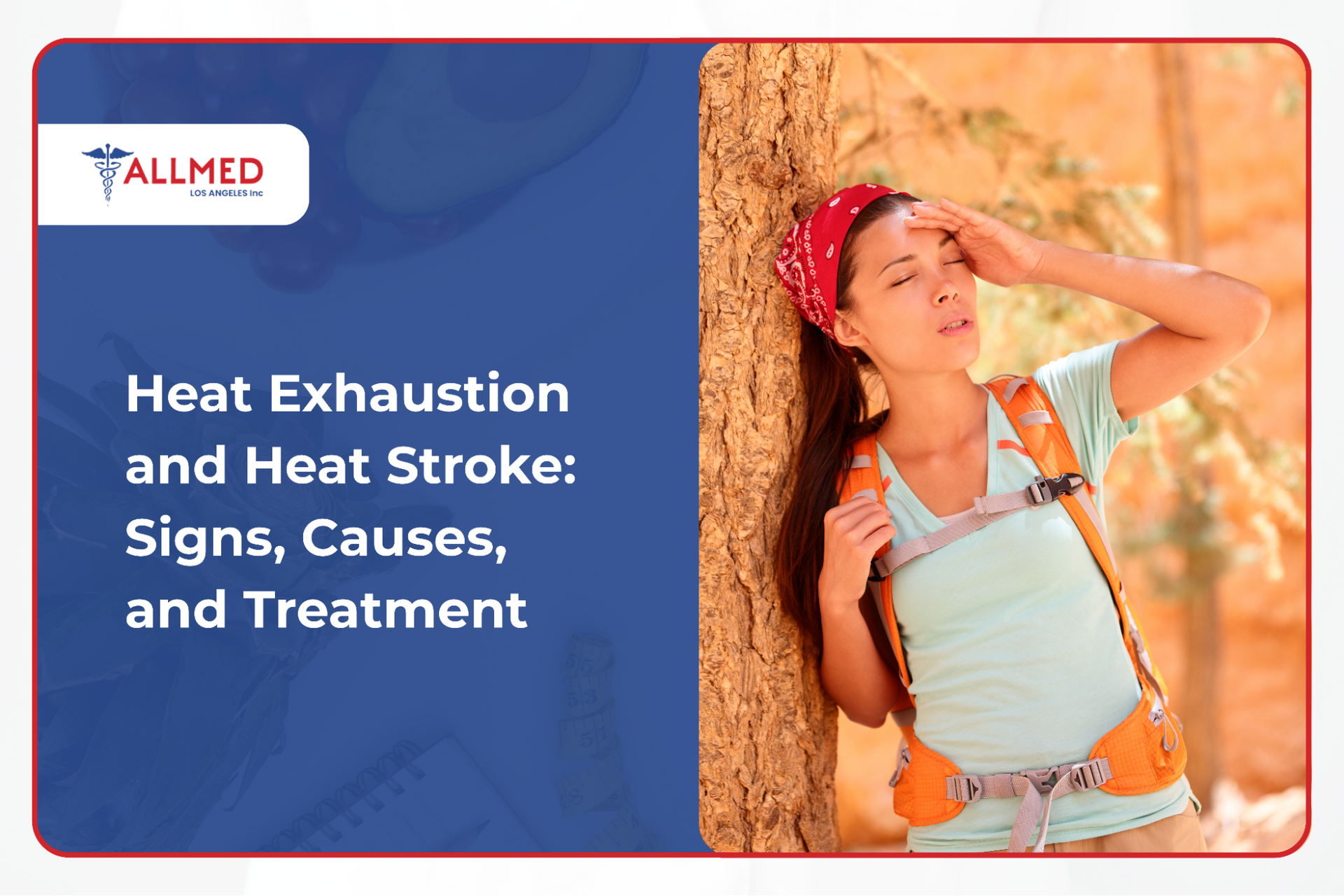
The symptoms are hard to ignore when you know what to look for. Heavy sweating, a weak and rapid pulse, nausea, muscle cramps, cold and clammy skin, and dizziness are all signs of heat exhaustion. You may also feel an overwhelming sense of fatigue, like your body just wants to shut down.
Fortunately,
heat exhaustion is treatable when you act quickly. Moving to a cool space, drinking water or an electrolyte drink, and resting can turn things around fast. However, if symptoms do not improve within an hour, you need medical attention right away.
Difference Between Heat Stroke and Heat Exhaustion
Understanding the difference between heat stroke and heat exhaustion is not just for doctors. It is something every person living in a warm climate should know. The two conditions sit on the same spectrum, but they call for very different responses.
Quick Comparison
The Symptoms That Set Them Apart
With heat exhaustion, the person is uncomfortable but still aware of their surroundings. They can respond to questions, move on their own, and follow basic instructions. That window of awareness is your opportunity to intervene before things escalate.
With heat stroke, that window closes. The person may become confused, stop making sense, or lose consciousness entirely. Their skin often stops sweating even in brutal heat, which is one of the clearest red flags. If you see those signs, every minute counts.
Why Angelenos Are Especially at Risk
LA's dry heat is uniquely deceptive. Sweat evaporates so quickly here that you may not realize how much fluid you have already lost. That means heat exhaustion or heat stroke can develop faster than you expect, especially during a heatwave or Santa Ana wind event.
Outdoor workers, older adults, young children, and people with chronic conditions face the highest risk. Certain medications, like diuretics and antihistamines, can also impair your body's ability to cool itself down. If you or someone you love falls into any of these groups, take the heat seriously this summer.
If you are also managing one of the common summer diseases circulating in LA right now, your risk goes up even more. A weakened or already-stressed body has less capacity to fight off heat illness. That is not meant to scare you; it is meant to help you stay one step ahead.
Caring for LA When the Heat Turns Dangerous
When you or someone you love is not feeling right after a day in the sun, you need care that is fast, thorough, and close to home. AllMed LA is a trusted primary care clinic built for the LA community, by people who understand what living in this city actually looks like. From Koreatown to Glendale, we are here when you need us most.
Our team of experienced providers can evaluate heat-related symptoms, run necessary labs, administer IV hydration, and determine whether further emergency care is needed. You do not have to guess whether what you are feeling is serious; a primary care doctor at AllMed LA will give you a clear, honest answer. That kind of accessible, professional care is exactly what this city needs more of.
AllMed LA offers a comprehensive range of primary care services so you are never left without options. Whether it is a same-day visit for heat exhaustion or an ongoing wellness plan to manage your health through the summer, we have the tools and the team to help. Check out AllMed LA's clinic locations and find the one nearest to you before the heat catches you off guard.
Beat the Heat This Summer with Expert Care from AllMedLA
You now know more about heat stroke vs. heat exhaustion than most people walking around LA today. That knowledge is genuinely powerful, especially during a summer heatwave when seconds can matter. The difference between a fast recovery and a trip to the ER often comes down to recognizing symptoms early.
Do not brush off heavy sweating, dizziness, or confusion in the heat as just "overdoing it." Your body is communicating with you, and it deserves to be taken seriously. Trust your instincts, act quickly, and get help when something feels off.
AllMed LA is always in your corner. Whether you need urgent evaluation, preventive guidance, or just a doctor who will actually listen, we are ready to help. Stay safe this summer, LA, because you deserve care that keeps up with this city.
Heat Safety Starts with Knowing the Warning Signs
Frequently Asked Questions
How do I know if I have heatstroke or heat exhaustion?
Check two things: are you still sweating, and are you thinking clearly? Heavy sweating with dizziness but full awareness points to heat exhaustion. Confusion, dry skin, and a temperature above 104°F point to heat stroke.
When in doubt, treat it seriously and get medical help right away. Both heat exhaustion and heat stroke can get worse fast without the right care. Do not wait to see if it passes on its own.
What is the fastest way to cure heatstroke?
Heat stroke is an emergency; there is no home remedy for it. Call 911 immediately, move the person somewhere cool, and apply ice packs to the neck, armpits, and groin. Do not give fluids to someone who is confused or unconscious.
Only doctors can fully treat heat stroke safely. Hospital care typically includes rapid cooling and IV fluids to stabilize the body. The faster you act, the better the outcome.
What should you eat after heat exhaustion?
Start with fluids before food. Water, coconut water, electrolyte drinks, and clear broths help replace what your body lost during heat exhaustion. Sip slowly and give your stomach time to settle.
Once you feel ready to eat, keep it light. Bananas, watermelon, plain crackers, and broth-based soups are easy on the stomach. Avoid alcohol, caffeine, and heavy meals for at least 24 hours.
How many days of rest after heat exhaustion?
Most people feel better within one to two days with rest and hydration. Full recovery from heat exhaustion, however, can take up to a week, depending on how severe it was. Older adults and people with health conditions may need the full recovery window.
Do not go back into the heat the moment you feel okay. Your body's ability to tolerate heat stays lower than normal for several days. If symptoms return or do not improve after 48 hours, see a doctor.
Is it good to sleep after heat exhaustion?
Yes, sleep is one of the best things you can do after heat exhaustion. Your body heals and restores fluid balance during rest, and the fatigue you feel is a real signal to slow down. Just make sure you are in a cool room before you doze off.
Stay hydrated before and during sleep, and keep water close by. If your symptoms were on the more severe side, have someone check in on you overnight. Feeling significantly worse when you wake up is a sign to get medical help.