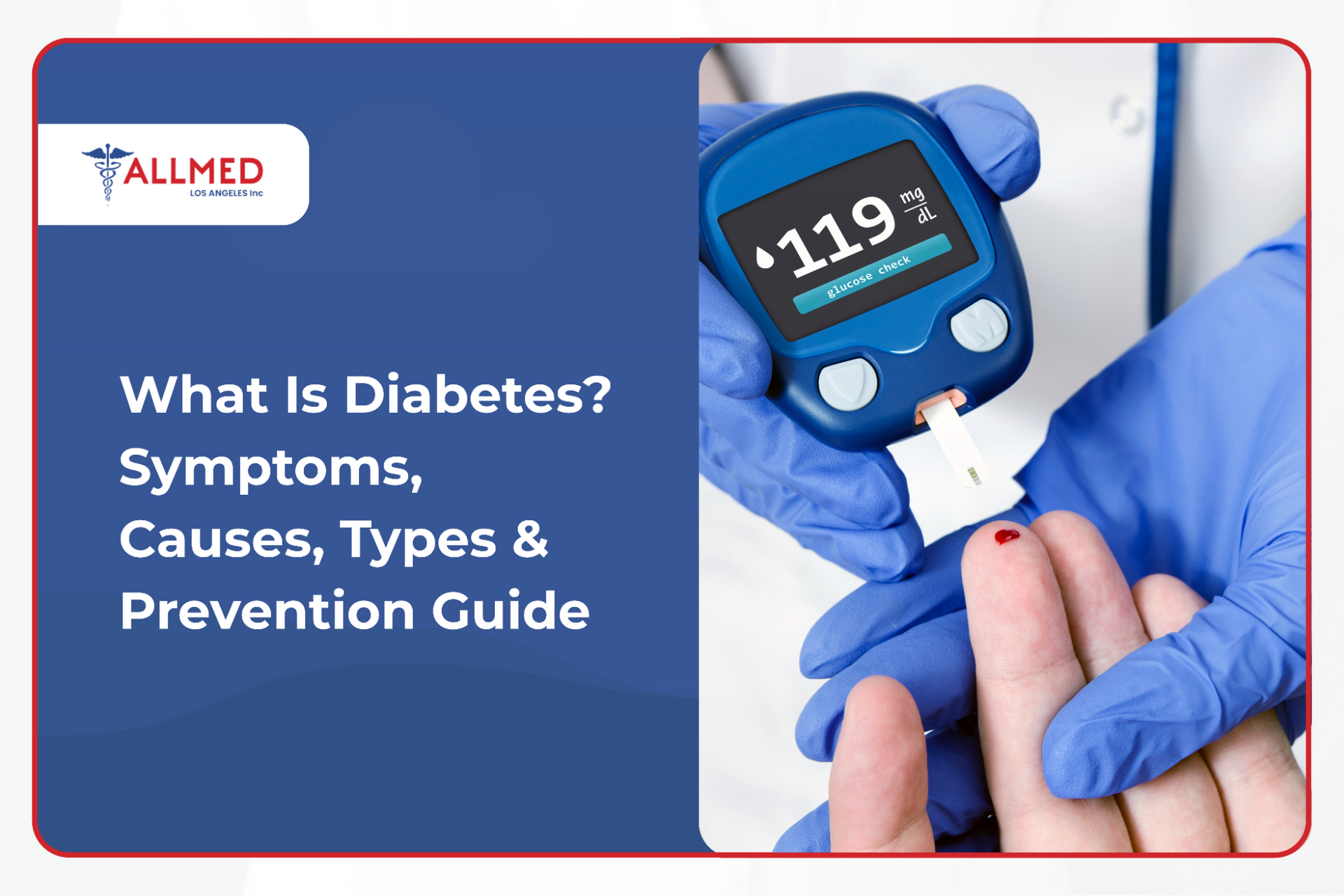
Diabetes is a growing health concern worldwide, affecting over 830 million people. Here in America, 37 million suffer from it. Even more concerning, nearly 1 in 5 citizens remain undiagnosed. Type 2 diabetes makes up the majority of these cases, but Type 1 and gestational diabetes also pose serious challenges.
The steady rise in diabetes diagnoses highlights the critical need for awareness, education, and proactive care. Uncontrolled diabetes can lead to major health problems and negatively affect overall well-being.
If you’re one of the millions living with diabetes, managing your condition can feel overwhelming—but it doesn’t have to be. Read on for more information on how to
take control of your health and reduce your risk of complications.
Better Diabetes Care Starts Here at Allmed LA
Short-Term and Long-Term Complications of Diabetes
The real danger of
diabetes lies in the complications it can cause over time. Unchecked diabetes silently leads to severe health issues, impacting your vital organs and quality of life.
Short-Term Complications
Short-term issues arise when blood sugar levels fluctuate drastically. This makes it difficult for the body to function normally, requiring immediate attention to avoid severe consequences.
1. Hypoglycemia (Low Blood Sugar)
Hypoglycemia happens when glucose levels fall below the normal range, usually due to missed meals, excessive insulin or medication, or overexertion. Symptoms can include:
- Shakiness
- Sweating
- Rapid heartbeat
- Dizziness
- Confusion
- Difficulty concentrating
In severe cases, fainting, seizures, or coma can occur. Consuming a fast-acting carbohydrate like glucose tablets or fruit juice restores normal levels and prevents complications.
2. Hyperglycemia (High Blood Sugar)
Hyperglycemia occurs when blood sugar levels remain too high for extended periods. Common triggers include skipping medications, overeating, or stress.
Symptoms may include:
- Increased thirst
- Frequent urination
- Fatigue
- Blurred vision
Severe cases can lead to
diabetic ketoacidosis (DKA), where the body breaks down fat for energy, releasing harmful acids into the bloodstream. DKA requires immediate medical attention.
3. Infections
Diabetes can impair immune function, leaving the body more susceptible to infections. Common infections include:
- Skin infections: Patients who have diabetes are more prone to fungal infections, abscesses, or cellulitis.
- Urinary tract infections (UTIs): This condition is often recurring and more severe in people with diabetes.
- Foot infections: Cuts or sores can develop into serious infections if not treated promptly, mainly due to poor circulation and nerve damage.
Long-Term Complications
Chronic high blood sugar can gradually damage blood vessels and nerves, leading to life-threatening complications without proper management.
1. Cardiovascular Disease
People with diabetes are at a higher risk of heart-related conditions, including:
- Heart attacks and strokes due to blocked or narrowed blood vessels.
- Hypertension (high blood pressure), which raises the chance of organ damage.
2. Kidney Damage (Diabetic Nephropathy)
Prolonged elevated glucose levels can strain the kidneys, damaging their filtering systems. This can result in:
3. Nerve Damage (Diabetic Neuropathy)
High blood sugar damages nerves over time, especially in the extremities. Symptoms include:
- Numbness, tingling, or a burning sensation, usually starting in the feet and hands
- Loss of sensation in the area, which increases the risk of unnoticed injuries or infections
In some cases, neuropathy can affect digestion, causing nausea, bloating, or irregular bowel movements.
4. Eye Damage (Diabetic Retinopathy)
The tiny blood vessels in the retina are vulnerable to damage from diabetes, leading to various eye complications. Without treatment, these issues can lead to partial or total blindness. Regular eye examinations are vital to detect and treat problems early. Some of the long-term eye issues diabetes can bring include:
- Blurred or fluctuating vision
- Advanced retinopathy, where new, fragile blood vessels form, increasing the risk of bleeding or retinal detachment.
5. Amputations
Poor circulation and nerve damage can cause minor injuries, such as blisters or cuts, to worsen without proper care. This can result in:
- Chronic ulcers or gangrene (tissue death), particularly in the feet.
- Amputation of the affected feet
How to Prevent Long-Term Complications of Diabetes
The complications of diabetes are real, but they are far from inevitable. Taking a proactive approach can safeguard your health and prevent long-term risks. Here are the most important steps you need to start taking for proper
glucose control:
1.
Monitor Blood Sugar Regularly: Work with your healthcare provider to determine your target blood sugar range and stick to it.
2.
Eat a Balanced Diet: To maintain steady blood sugar levels, focus on vegetables, lean proteins, whole grains, and healthy fats. Avoid processed sugars and trans fats.
3.
Stay Physically Active: Strive for at least 150 minutes of moderate physical activity weekly. Walking, swimming, or yoga improve insulin sensitivity and cardiovascular health.
4.
Get Regular
Screenings: Check with your doctor for blood pressure, cholesterol, kidney function, and eye health to catch potential issues early.
5.
Take Medications as Prescribed: Follow your treatment plan, including treatments for other conditions like hypertension.
6.
Limit Alcohol and Quit Smoking: Both can increase the likelihood of complications.
7.
Prioritize Mental Health: Explore stress-relief methods like meditation, therapy, or fun hobbies that bring you joy.
8.
Examine Your Feet Daily: Check for cuts, sores, or signs of infection. Always wear comfortable shoes and consult a podiatrist if needed.
Take Control: Prevent Diabetes Complications Today!
Small steps today can prevent big complications tomorrow.
At AllMed LA, we take a proactive approach to diabetes care. We provide crucial screenings such as retinopathy exams, kidney function analysis, and detailed blood tests. Combined with tailored treatment plans and expert advice on lowering blood sugar to normal levels, we’re here to help you live a healthier life with diabetes.
Don’t wait until complications arise—schedule a consultation today!